Loading...
Serving Twin Falls, ID and surrounding areas. (208) 544-9724
Shallow footings heave and crack every winter in Twin Falls. We dig to the correct depth, place proper rebar, and coordinate city inspections - so your deck, addition, or outbuilding stays solid for decades.
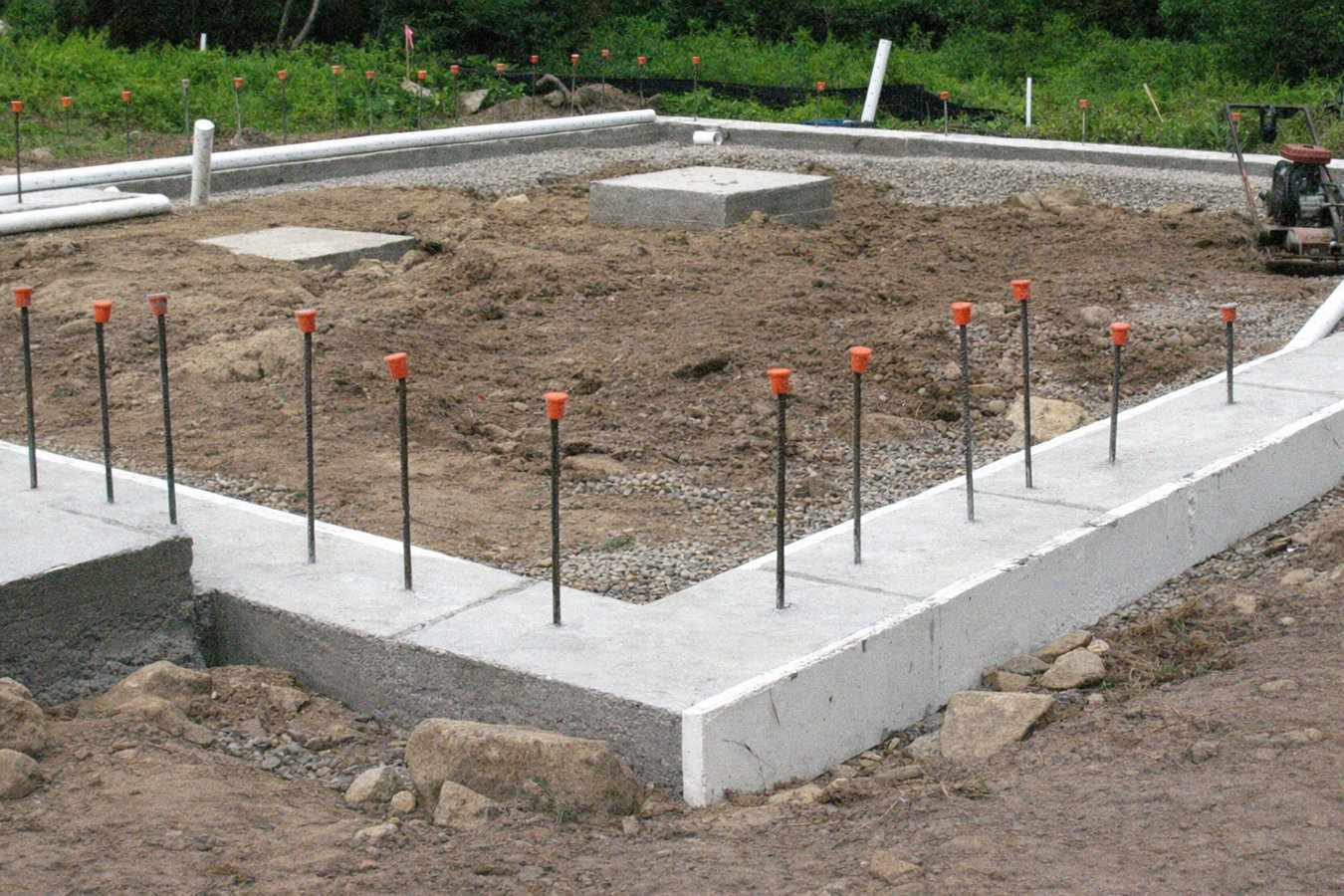
Concrete footings in Twin Falls involve digging down below the local frost line, building simple forms, placing steel rebar inside for reinforcement, pouring ready-mix concrete, and allowing it to cure before any structure is built on top - most standard residential footing projects take one to two days on-site, with framing typically allowed to begin about a week after the pour.
Think of a footing as the buried root system for anything built above it. Without it going deep enough, Twin Falls winters will work on it every season - ground that freezes and thaws repeatedly will push a shallow footing up and out of position, cracking whatever sits on top. The City of Twin Falls requires a building permit and footing inspection for most structural work, which means a city inspector verifies depth and rebar placement before the concrete is poured.
Footing work is often the first phase of a larger project. Many clients also need a full foundation installation for new construction, or address existing movement with foundation raising after years of frost heave.
If you notice a gap opening up between your deck and the wall of your home, or the deck tilts slightly away from the house, the footings underneath may have shifted. This is a common result of footings not poured deep enough to stay below the frost line - Twin Falls winters can push shallow footings up and out of position over several seasons.
Posts that were set in concrete but are now leaning or rocking often mean the base was not deep enough or the concrete has cracked. In Twin Falls, the freeze-thaw cycle each winter puts repeated stress on anything set in the ground, and posts installed without proper depth or reinforcement tend to show it within a few years.
Horizontal or stair-step cracks in a foundation wall, or wide cracks running across a slab, can indicate that the footings below have moved or settled unevenly. Not every crack is a crisis, but any crack wider than a pencil or that has grown over time deserves a professional look.
Any addition, covered patio, sunroom, or attached garage needs proper footings before framing can begin. If you are at the planning stage for a project like this, getting a footing assessment now - before the framing crew is scheduled - keeps the whole project on track and avoids permit delays.
We pour footings for decks, room additions, attached garages, detached outbuildings, pergolas, and accessory structures throughout the Twin Falls area. Every project starts with a site visit to assess the ground - soil conditions in this part of Idaho can shift dramatically from one property to the next, and the price we quote reflects what is actually under your yard, not a best guess. We handle the City of Twin Falls permit application and coordinate the required city inspection, so you do not have to figure out what forms to file or who to call.
Some projects need more than individual footings. If your scope calls for a connected perimeter foundation, we handle that under foundation installation. If an existing structure has already shifted and needs to be leveled before new work begins, we assess whether foundation raising is the right first step.
Homeowners adding or replacing an attached or freestanding deck who need permit-ready work that passes inspection.
Room additions, sunrooms, and covered patios that require continuous or isolated footing support before framing can begin.
Detached garages, workshops, sheds, and storage structures that need a proper base before any slab or framing work.
Individual footings for pergolas, carport posts, light poles, and similar structures that need a stable buried base.
Structures with existing footings that have failed due to frost heave, poor original depth, or cracked concrete.
Twin Falls winters are cold enough to freeze the ground to a significant depth - and that frost line is the single most important factor in footing design here. Footings poured above that depth will heave up and down with every season, cracking decks, tilting posts, and separating additions from the main structure over time. Many homes built before the 1980s in Twin Falls were constructed under older code requirements that allowed shallower footings than are required today. If your home is from that era and you are adding a deck or addition, it is worth having the existing footings assessed before you build anything new on top of them.
We work on footing projects throughout Magic Valley - from new construction in Jerome to deck and addition work in Kimberly. The volcanic basalt and silty soils in this region behave differently from one lot to the next - we look at the actual ground before finalizing any design or quote.
We respond within 1 business day. You will speak with someone who can answer questions about your specific project and schedule a site visit. No commitment required to get a written quote.
We visit your property, assess the slope, soil, and scope of the project, and provide a written quote. The price reflects what is actually under your yard - not a guess made without looking.
We apply for the City of Twin Falls building permit and coordinate the required footing inspection. The inspector visits before the pour to confirm depth and placement - this step protects you.
The crew digs, forms, and pours in one day for most residential projects. We keep the fresh concrete moist and protected from wind and sun during curing, then let you know when framing can begin.
We respond within 1 business day and visit your site before quoting. No verbal estimates - written prices only.
(208) 544-9724Twin Falls winters push shallow footings out of the ground - it is not a matter of if, but when. Every footing we pour goes to the depth required by the local building code for this area. That means your deck, addition, or outbuilding stays level and solid through freeze-thaw winters without pulling away from your home.
We handle the City of Twin Falls permit application and coordinate the footing inspection before the pour. That inspector visit is an independent confirmation that the depth and rebar placement are correct - before the concrete goes in and it becomes impossible to check. When you sell your home, that documentation is on file.
We work across 12 communities in Magic Valley, from Buhl to Pocatello. Twin Falls soil can change from firm basalt to loose sandy fill within a few feet - so we visit every property before quoting. The price you agree to reflects what is actually under your yard. No low bids that climb once digging starts.
Twin Falls wind and low humidity pull moisture out of fresh concrete faster than in other climates, weakening the finished footing if nobody takes action. We cover and mist fresh pours during the curing period. For standards on concrete curing in variable climates, the Portland Cement Association publishes free guidance.
Footings are invisible once they are in the ground - which is exactly why the decisions made before the pour matter so much. We treat every footing project as the foundation it literally is, because a shortcut underground shows up above ground eventually.
If existing footings have already allowed your structure to shift, foundation raising can correct the problem before it gets worse.
Learn moreNew construction requiring a full perimeter or continuous foundation beyond individual footings.
Learn moreConstruction season in Magic Valley fills up fast - reach out now and lock in your spot before summer bookings close out.