Loading...
Serving Twin Falls, ID and surrounding areas. (208) 544-9724
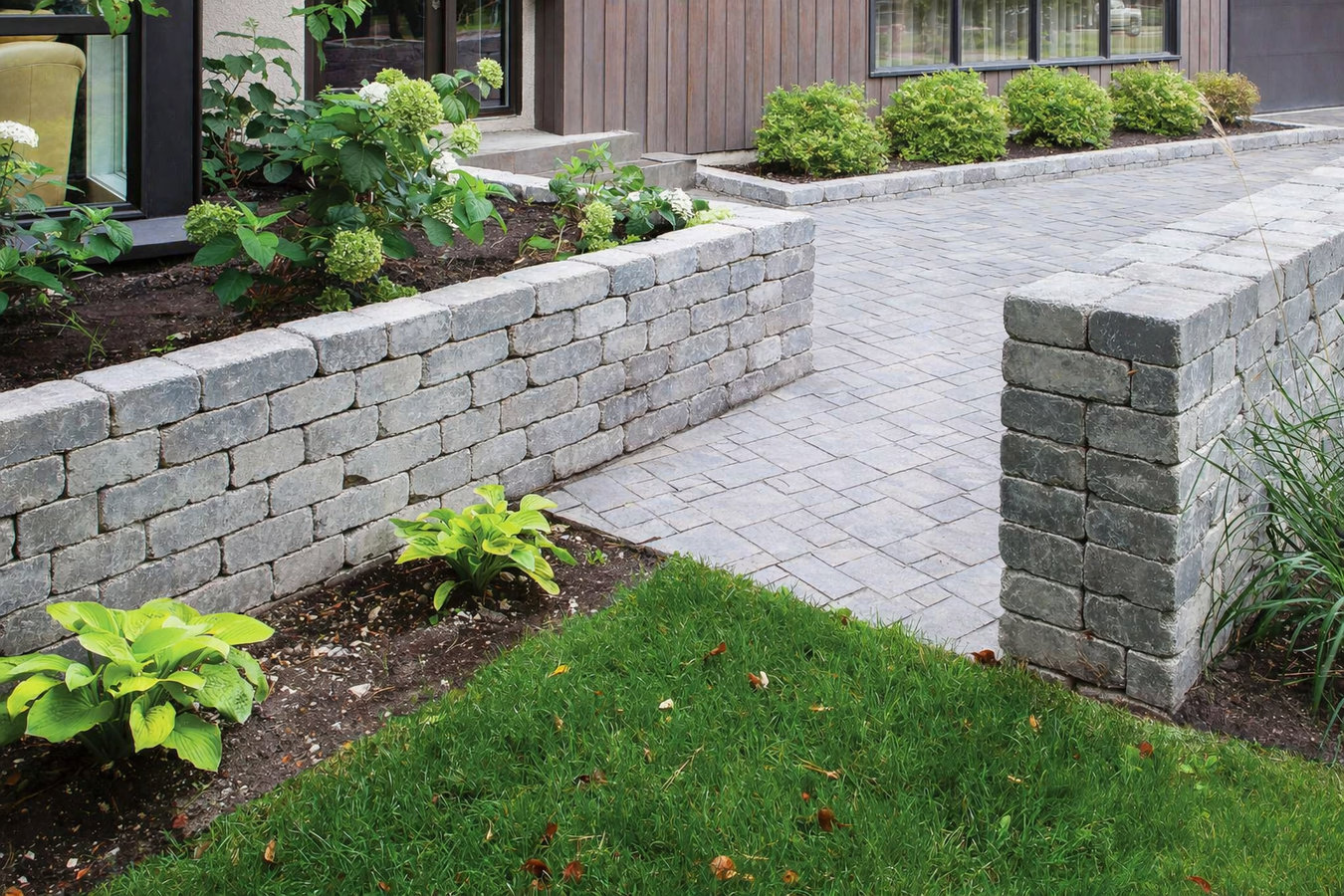
Slopes that erode every spring, yards too steep to use, and failing old walls - we build concrete retaining walls in Twin Falls that hold through Idaho winters and actually solve the problem.
Concrete retaining walls in Twin Falls involve excavating the slope, preparing a compacted gravel footing, building forms, pouring and curing the concrete, installing drainage behind the wall, and backfilling - most residential walls run two to five days on-site, with the full project taking one to two weeks including the permit process.
Twin Falls sits on a plateau above the Snake River Canyon, and many properties - especially near the canyon rim or in older west-side neighborhoods - have significant elevation changes that make a retaining wall a practical necessity, not just a landscaping choice. The rocky, caliche-heavy soils in much of the Magic Valley region affect how deep we need to go for a stable footing, which is something contractors from outside the area often underestimate on their first project here.
Retaining walls often pair naturally with concrete floor installation when creating a usable lower terrace, or with concrete steps to connect leveled sections of a sloped yard.
If you can see bare dirt, exposed roots, or ridges of soil that have moved downhill after rain or snowmelt, your slope is actively eroding. In Twin Falls, spring runoff can accelerate this quickly, especially on properties near the canyon rim or south-facing slopes. A retaining wall stops the movement and gives you stable ground to landscape again.
If part of your yard is so steep you cannot safely walk it or maintain it, that is a practical sign a retaining wall would help. Many Twin Falls properties - particularly in older neighborhoods on the west side of town - have uneven grades left over from original construction. A wall creates a flat, usable terrace where there was just a difficult slope.
If you already have a retaining wall - old concrete, block, or railroad ties - and you can see it starting to bow outward, crack, or separate at the joints, it is under stress it cannot handle. Walls that lean even a few inches are at risk of failing, especially heading into winter when freeze-thaw cycles add more pressure. Getting it assessed now is far cheaper than dealing with a collapse.
Standing water collecting at the bottom of a grade means water is running down the slope and has nowhere to go. Over time, that water saturates the soil and makes erosion worse. In Twin Falls, where summer irrigation is common and spring snowmelt can be significant, pooling at the base of a slope is a reliable early warning that stabilization is needed.
We build poured concrete retaining walls for residential and commercial properties across Twin Falls and the Magic Valley. Every project starts with a site visit to assess the slope, the soil, drainage patterns, and whether a permit is required. We handle the permit application with the City of Twin Falls Building Department - you should not have to deal with that process yourself. For walls under four feet, we can often move quickly once you have a written estimate. For taller walls that require more engineering, we will walk you through what the design needs to accomplish before any work starts.
Homeowners with steep lots frequently ask about combining a retaining wall with concrete steps to connect terraced levels, or with a new concrete floor on the leveled terrace area. Scheduling related work together typically saves on mobilization and keeps your yard disrupted for one project instead of two.
Properties with eroding slopes, unusable grade drops, or yards that flood at the base of a hill.
Homeowners with failing concrete, block, or timber walls that are leaning, cracking, or separating.
Steep lots where one tall wall is not practical - multiple shorter walls create usable, stable levels.
Sites where water management is the primary concern alongside slope stabilization.
Business properties needing load-bearing walls for parking areas, loading zones, or grade transitions.
Twin Falls sits on a plateau above the Snake River Canyon, and that geography creates real grade challenges for homeowners throughout the city. Properties near the canyon rim or on the south side of town often have dramatic elevation drops within a single yard. On top of that, Twin Falls winters cycle through freezing and thawing from November through March - and water that gets behind a poorly drained wall will freeze, expand, and eventually crack or push the wall outward. Building a wall here means accounting for both the terrain and the climate, not just the slope angle. The caliche layer in many Twin Falls soils also requires deeper excavation than contractors unfamiliar with the area expect, which affects both cost and timeline.
We build retaining walls across the entire Magic Valley, including in Buhl where canyon-adjacent properties face similar slope challenges, and in Jerome where flat lots can still develop drainage and erosion problems after heavy irrigation seasons. Every site is different, and we assess each one before committing to a scope or a price.
We respond within 1 business day. A retaining wall quote done over the phone without a site visit is rarely accurate - we will schedule a visit to actually walk your slope before giving you a number.
We assess the slope, soil type, drainage, and access. If the wall requires a permit, we flag that upfront along with the timeline. You receive a written estimate with a clear breakdown - no vague totals.
For walls four feet and over, we handle the City of Twin Falls permit application. That process typically takes about a week. Once the permit is approved, we schedule your start date.
The crew excavates, sets the footing base, forms and pours the wall, and installs drainage. After the concrete cures - typically at least a week - the soil is backfilled and the site is cleaned up.
Free on-site estimate. Written quote before any work starts. No pressure.
(208) 544-9724The rocky, caliche-heavy ground in much of Twin Falls affects how deep we excavate and how we set footings. Contractors who do not know this area often underestimate the prep work. We have built walls here and account for local soil conditions in every estimate.
We handle the City of Twin Falls permit application for every wall that requires one. You will not be left wondering whether the work is legal - the permit is in place before a shovel hits the ground, and the wall gets inspected when it is done.
A retaining wall without proper drainage is a wall that will eventually fail. We install gravel backfill and drainage features behind every wall as a standard part of the build - not an add-on. The Portland Cement Association notes drainage is as critical as the concrete itself.
We serve all 12 cities in our service area, from Twin Falls neighborhoods near the canyon rim to outlying communities in the Magic Valley. If you are near the Snake River Plain, we have experience with your local soil and terrain.
Every retaining wall we build is designed for the specific site, not a generic specification. That means the right footing depth for the soil we find, the right drainage for the water patterns on your property, and concrete mixed for Twin Falls winters.
For more on retaining wall construction standards, the Portland Cement Association and the Idaho Division of Building Safety are reliable starting points.
A new interior slab that is level, sealed, and built to stay dry through Twin Falls winters.
Learn moreConnect terraced levels or elevated entries with concrete steps built to hold up on sloped Twin Falls lots.
Learn moreSlopes that erode this winter cost more to fix next year - call now to schedule your free on-site assessment in Twin Falls.