Loading...
Serving Twin Falls, ID and surrounding areas. (208) 544-9724
A foundation built on unprepared soil will shift, crack, and cause problems for years. We build concrete slab foundations on properly compacted ground with the right reinforcement for Twin Falls conditions.
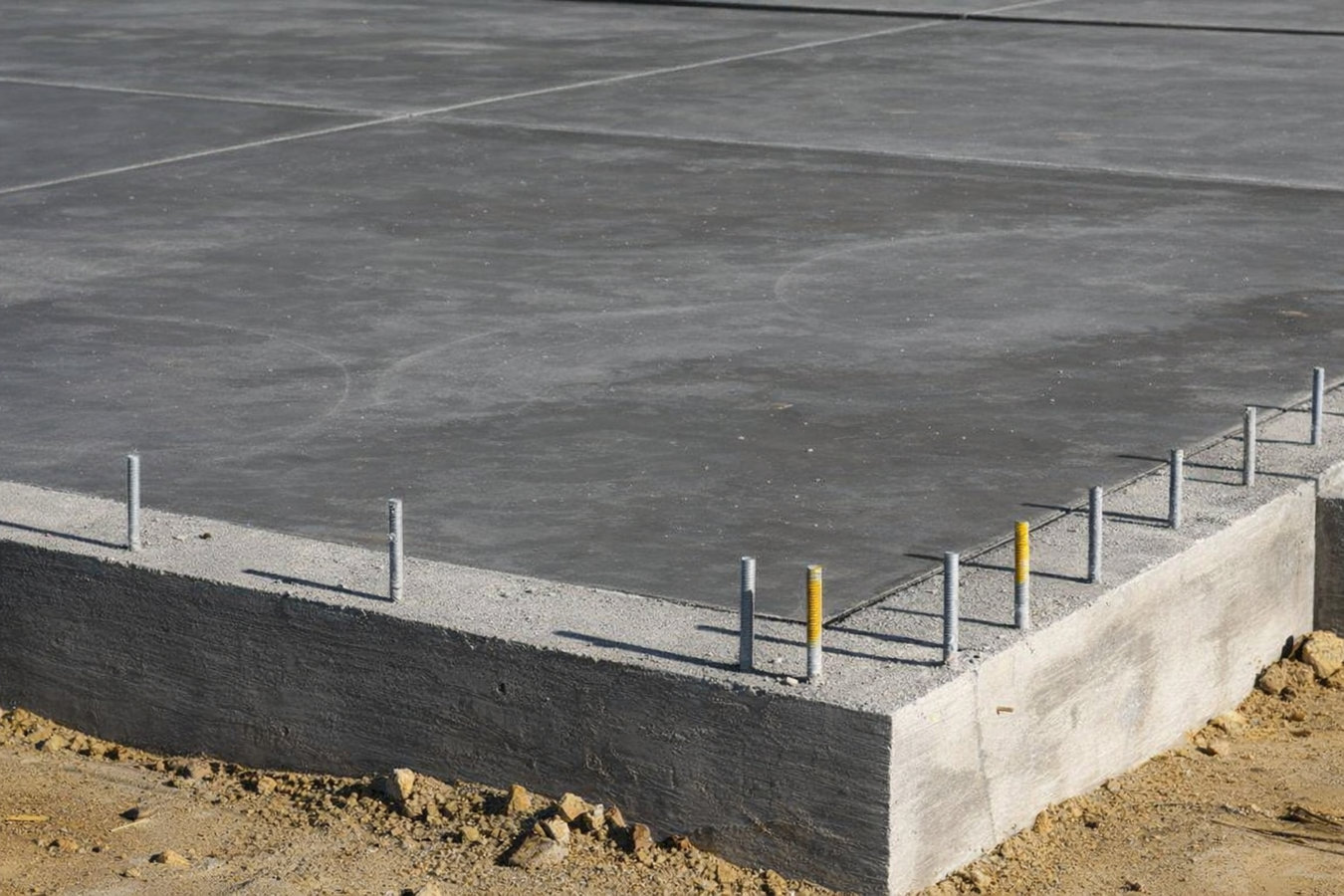
Slab foundation building in Twin Falls means preparing the ground, laying a gravel base and vapor barrier, setting steel reinforcement inside forms, and pouring a single continuous concrete slab - most residential projects pour in one day, with framing able to begin within about a week, and full curing strength reached after 28 days.
The slab is both the floor and the structural base of your home - it carries the weight of everything above it. In Twin Falls, the silty loess soils common across the Snake River Plain require careful compaction before any concrete goes down. A slab poured on improperly prepared ground will crack and shift, and those problems show up as sticking doors, uneven floors, and gaps around windows long before homeowners connect them back to the foundation. Getting the preparation right is the job.
Some homeowners also need a full foundation installation with walls and waterproofing for a basement or deeper structure - we handle that work too, and can help you determine which type of foundation suits your lot and project goals.
If you are starting a new home, garage, workshop, or room addition in Twin Falls, a slab foundation is your starting point. Without a properly built slab, there is nothing solid for the structure above to rest on. This is the most straightforward reason to call - you simply have a project that needs a foundation.
Small hairline cracks in a concrete floor are common. But cracks wider than about a quarter-inch, cracks where one side sits higher than the other, or cracks that seem to be getting longer over time are signs the slab may be failing. In Twin Falls, this often happens when the loess soil underneath was not properly compacted before the original pour.
If doors or windows have started sticking, jamming, or no longer closing squarely, it can mean the foundation is shifting. This kind of movement is sometimes connected to soil settling - a real possibility in areas of Twin Falls built on less stable fill or silty ground. Have a contractor look at the foundation before assuming the problem is just the door.
A slab without a proper moisture barrier underneath allows ground moisture to seep up through the concrete. If you notice a persistent damp smell, moisture stains on your floor, or flooring materials like hardwood or laminate buckling, the slab's moisture protection may have failed or was never installed correctly.
We handle new slab foundation pours for homes, garages, workshops, and room additions across Twin Falls and the surrounding Magic Valley area. Every project starts with a site visit to assess soil conditions, drainage, and the amount of preparation work the lot requires. We handle the City of Twin Falls permit application and coordinate the required city inspection before the pour - you do not have to navigate that process on your own. Standard residential slabs are four to six inches thick, with thickened edges at the perimeter where walls will sit.
Homeowners planning larger projects sometimes also need concrete footings for load-bearing walls or detached structures, or a full foundation installation that includes basement walls and waterproofing. We can walk you through which approach suits your project and give you a written estimate covering all of it.
Homeowners and builders starting a new home, garage, or addition on bare ground.
Properties with existing slabs that have failed - cracked, heaved, or showing significant moisture intrusion.
Detached garages, workshops, and outbuildings that need a solid, level floor to build on.
Room additions, sunrooms, and attached structures that need a new concrete base tied into the existing home.
Properties where the slab will support heavy equipment, vehicles, or commercial use.
Twin Falls sits at roughly 3,700 feet elevation on the Snake River Plain, and a large portion of the city sits on loess - fine, wind-deposited silt that can compress unevenly under load if not properly prepared. Contractors who have not worked this soil before sometimes underestimate how much compaction and gravel base work the ground needs. Twin Falls also sees genuine winter freeze-thaw cycling, which means pours need to be timed and protected correctly - a slab that freezes before it cures loses strength permanently. The city also enforces permit and inspection requirements, so every foundation job needs to go through that process before concrete is ordered.
We work throughout Twin Falls and surrounding communities. Homeowners in Jerome and Gooding deal with similar loess soil conditions, and we bring the same site preparation standards to every project regardless of which community it is in. If your lot is near the Snake River Canyon rim, where basalt rock can be close to the surface, we account for that before we quote.
We respond within 1 business day. You will hear from a real person who can answer questions and schedule a site visit - not a call center or automated system.
We visit your lot, assess the soil conditions, check drainage, and give you a written estimate that accounts for what your specific property needs. No guessing on price.
We handle the City of Twin Falls permit application on your behalf. Once the permit is approved, you get a firm start date. Spring slots fill fast - early booking pays off.
The crew excavates, compacts, and lays the gravel base and vapor barrier before a single yard of concrete is ordered. A city inspector checks the work before the pour. The concrete cures over the following weeks while we keep you updated on the timeline to framing.
We visit your lot, assess soil conditions, and give you a written estimate before any work is scheduled. No pressure, no obligation.
(208) 544-9724The City of Twin Falls requires a permit and city inspection before any concrete foundation can be poured. We pull the permit on your behalf and build to pass inspection the first time - no delays, no re-inspection calls.
Twin Falls sits on silty, wind-deposited loess soil that can compress unevenly under load if not prepared correctly. We take subgrade compaction seriously - it is the step most budget contractors shortcut, and it is the one that determines whether your slab lasts 10 years or 50.
We have poured foundations across Twin Falls and surrounding Magic Valley communities, which means we have seen the range of soil conditions this area throws at a crew - from canyon-rim basalt to fill-soil lots in newer subdivisions.
One of the most common complaints homeowners have is a low bid that balloons once work begins. We walk your site, account for what your lot actually needs, and give you a written number before any equipment shows up. The price you agree to is the price you pay.
The American Concrete Institute sets the national standards for residential concrete construction - standards we follow on every pour. Combined with full compliance with City of Twin Falls permit and inspection requirements, that means your foundation is built to a standard that holds up both in the field and in the paperwork.
Need a full foundation with walls, footings, and waterproofing? We handle complete foundation installation for new builds and replacements.
Learn moreBefore any slab or wall goes up, the footings have to be right - we pour footings to the depth required for Twin Falls frost conditions.
Learn moreSpring booking slots fill fast once the ground thaws - reach out now to lock in your start date and get a written estimate before the calendar fills up.